Posts

The Heroic Journey: An intro to Fantasy

Image
      This blog was created for the 2018 spring class for Lit of Horror/Sci-Fi/Fantasy course at Ringling College of Art and Design. In this blog I will talk about the books we read and what they mean to me personally. If you have come across this blog and have not read the book I am talking about this week, I will warn you now that I will spoil it.      This week we read J.R.R. Tolkien's works such as The Lord of the Rings. To be honest this week was mainly about applying "The Hero's Journey", which is a method of constructing some stories. Even though the idea itself is simple, application is not. The reason why is because in order to apply it to fantasy one would need to be able to tap in to their imagination. That would then require me to ask the question: What is imagination? We hear that word all the time but it is never really defined. A simple way to explain it is a unique way everyone expresses themselves due to their past experie...

Witch Week

Image
     This blog was created for the 2018 spring class for Lit of Horror/Sci-Fi/Fantasy course at Ringling College of Art and Design. In this blog I will talk about the books we read and what they mean to me personally. If you have come across this blog and have not read the book I am talking about this week, I will warn you now that I will spoil it.      This week we read about witches. Witches is a difficult subject to talk about due to their origin. As is probably obvious today's witches are only female, but it didn't begin that way. The word witch comes from the old English word "Wicca" which actually applies to both what we would call today wizards and witches, (Wicca simply meaning someone attuned to magic). The reason the word Witch was created was actually in rebellion to early female progressivism. It was believed that women were not as smart as man, so when they did something that a man couldn't understand it must be magic, or "Witchcraft". ...

H.P. Lovecraft

Image
     This blog was created for the 2018 spring class for Lit of Horror/Sci-Fi/Fantasy course at Ringling College of Art and Design. In this blog I will talk about the books we read and what they mean to me personally. If you have come across this blog and have not read the book I am talking about this week, I will warn you now that I will spoil it.      Everyone Knows H.P. Lovecraft as the man who created Monstrous Gods like Sheogorath and Cthulhu, and I personally feel this as a disappointment. Not that I dislike the man's work, on the contrary. But I feel bad that he is known more for the monsters he created than the things those monsters are meant to represent. As I said in my last post, western horror culture focuses on the natural world, Lovecraft is no different, but he describes the real world using the unknown, monsters he creates to represent our feelings, ideals, and issues. The idea of doing this is rather strange, but very effective when on...

J-Horror

Image
      This blog was created for the 2018 spring class for Lit of Horror/Sci-Fi/Fantasy course at Ringling College of Art and Design. In this blog I will talk about the books we read and what they mean to me personally. If you have come across this blog and have not read the book I am talking about this week, I will warn you now that I will spoil it.      This week we had a selection to choose from to represent J-Horror. I chose to read  Kwaidan,  a collection of short stories. I picked this book because I feel like J-horror is best represented in short stories, I feel this way because everything is written rather "to the point" of the moral. From my understanding, In eastern culture there is a clear distinction between ghost and monster. Ghosts are the leftover anguish, anger, and/or anxiety of a human being, or at least anything that once had a soul. Monsters are those that had never been human nor beast, which gives J-Horror its main differe...

An Interview with a Vampire

Image
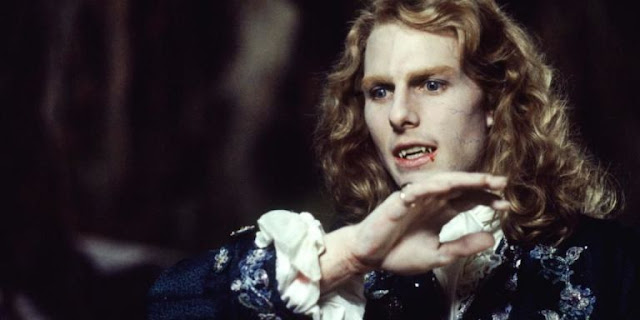
     This blog was created for the 2018 spring class for Lit of Horror/Sci-Fi/Fantasy course at Ringling College of Art and Design. In this blog I will talk about the books we read and what they mean to me personally. If you have come across this blog and have not read the book I am talking about this week, I will warn you now that I will spoil it.      This week we read Interview With a Vampire.  This book is an account of the life of a man turned vampire told in the form of an interview. The story is rather brutal in comparison to Hollywood's rendition of vampires in the past, making it a perfect example of what the ideal vampire story is supposed to be. The story starts with the death of Louise's (The Vampire's) brother, resulting in Louise blaming himself and wishing for death upon himself. He imagines getting killed by robbers, falling off a cliff, anything happening to him because he does not have the courage to do it himself. What comes in...

After Reading Frankenstein

Image
        This blog was created for the 2018 spring class for Lit of Horror/Sci-Fi/Fantasy course at Ringling College of Art and Design. In this blog I will talk about the books we read and what they mean to me personally. If you have come across this blog and have not read the book I am talking about this week, I will warn you now that I will spoil it. The first book we read was Frankenstein by Mary Shelly. For those who don't know, Mary Shelly is the daughter of Mary Wollstonecraft, the leader of the feminist movement in the late 1700s. When Mary Shelly was born her mother unfortunately did not survive.       Mary wrote Frankenstein for a horror book club she was a part of. And being an admirer of her mother's work she made sure to include many social statements and meanings deeper than simply the dangers of playing god. The monster when born was kind and gentle, then was driven to violence because of an unaccepting society. He was diffe...